

decide their next move
Actor portrayals.The efficacy of PYLARIFY TruVu was established based on two robust clinical studies with an older formulation of piflufolastat F 18.1
OSPREY was a phase 2/3 clinical trial of 385 patients. Cohort A studied patients with high-risk prostate cancer (n=268). The co-primary endpoints were specificity (95%–98%) and sensitivity (28%–39%). Secondary endpoints included positive predictive value (PPV=72%–81%).1,2
CONDOR was a phase 3 trial of 208 patients with suspected recurrent or metastatic prostate cancer. The primary endpoint was correct localization rate (CLR=85%–87%).1,3
The addition of a radiolytic stabilizer has the potential to increase availability and reliability.1
Trust PYLARIFY TruVu:
An updated formulation of the #1 utilized PSMA PET agent in the US4
PYLARIFY TruVu is an updated formulation of piflufolastat F 18 that combines the same diagnostic properties of its predecessor with a radiolytic stabilizer to increase batch production so we can scale to support your future needs.1*
With PYLARIFY TruVu you can expect:

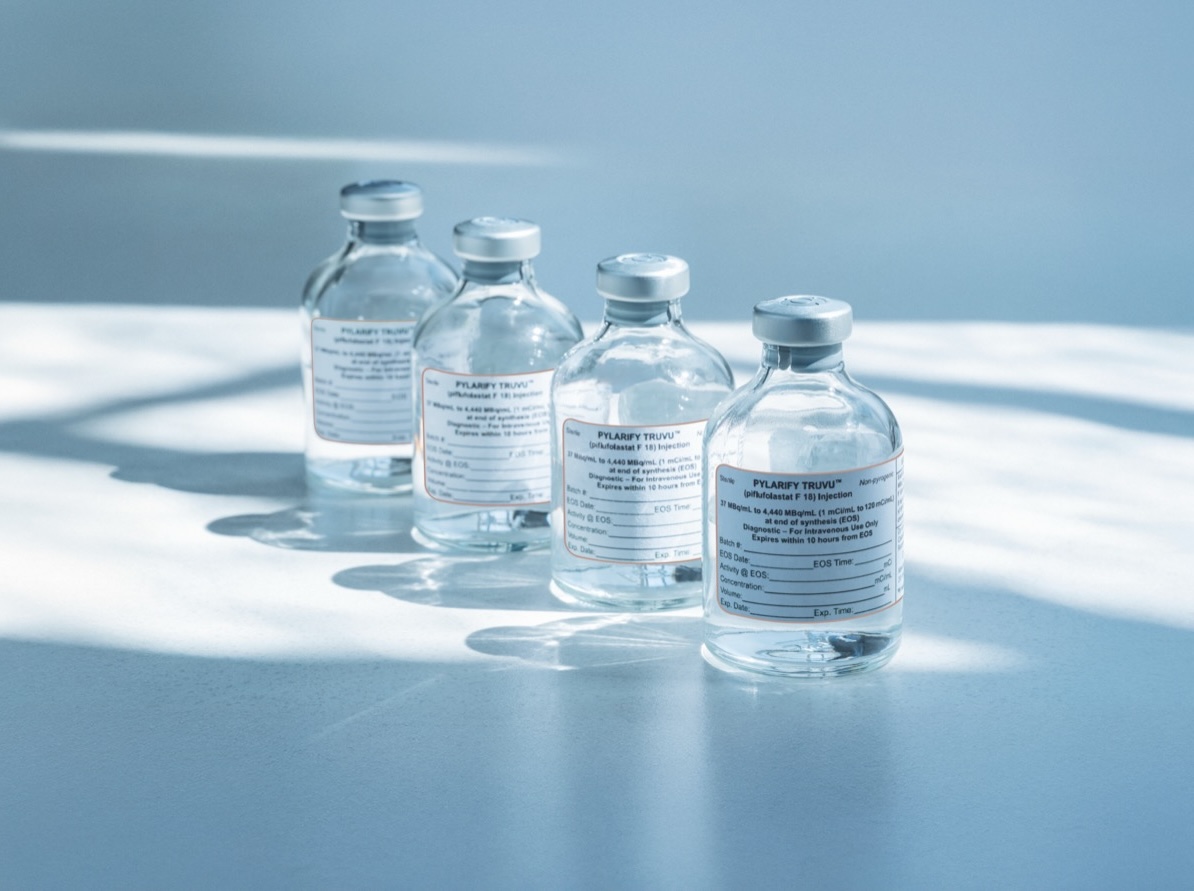
SAME DIAGNOSTIC PERFORMANCE1



POTENTIAL FOR
INCREASED AVAILABILITY AND MANUFACTURING RELIABILITY WITH ADDITIONAL DOSES PER BATCH1
*PYLARIFY TruVu injection is supplied as 37 MBq/mL to 4,440 MBq/mL (1 mCi/mL to 120 mCi/mL) of piflufolastat F 18 in up to 55 mL at end of synthesis. The original piflufolastat F 18 is supplied at a strength of 37 MBq/mL to 2,960 MBq/mL (1 mCi/mL to 80 mCi/mL).
Why choose PYLARIFY TruVu for your appropriate patients
WE CAN
stand behind our diagnostic
data
Clear diagnostic performance across 2 robust clinical studies—OSPREY Cohort A and CONDOR2,3
See clinical study data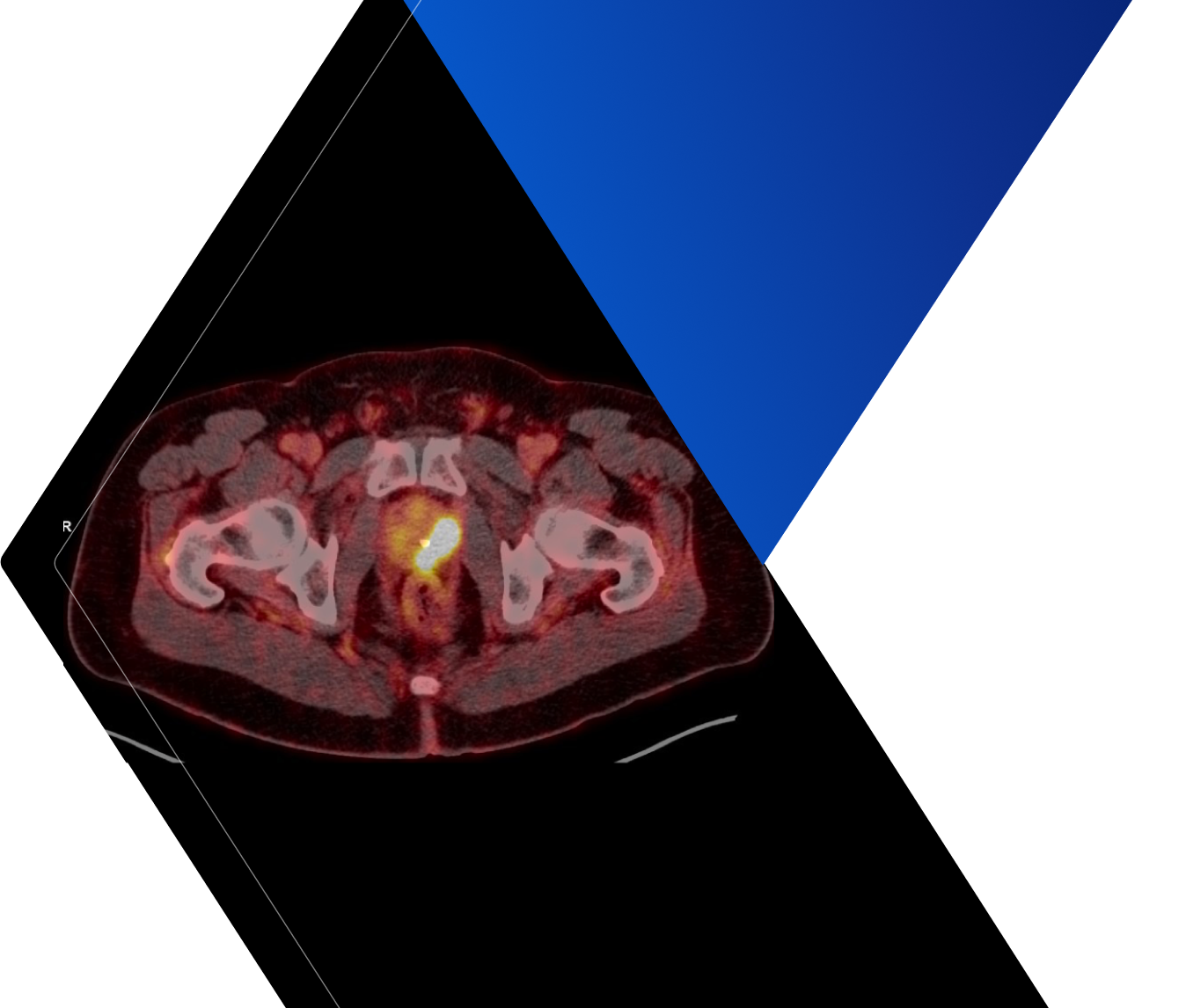

INDICATION
PYLARIFY TRUVU (piflufolastat F 18) Injection is indicated for positron emission tomography (PET) of prostate-specific membrane antigen (PSMA) positive lesions in men with prostate cancer:
- with suspected metastasis who are candidates for initial definitive therapy.
- with suspected recurrence based on elevated serum prostate-specific antigen (PSA) level.
IMPORTANT SAFETY INFORMATION
Warnings and Precautions
Risk of Image Misinterpretation
Imaging interpretation errors can occur with PYLARIFY TRUVU imaging. A negative image does not rule out the presence of prostate cancer and a positive image does not confirm the presence of prostate cancer. The performance of PYLARIFY TRUVU for imaging biochemical evidence of recurrence of prostate cancer seems to be affected by serum PSA levels. The performance of PYLARIFY TRUVU for imaging of metastatic pelvic lymph nodes prior to initial definitive therapy seems to be affected by risk factors such as Gleason score and tumor stage. PYLARIFY TRUVU uptake is not specific for prostate cancer and may occur with other types of cancer as well as non-malignant processes and in normal tissues. Clinical correlation, which may include histopathological evaluation, is recommended.
Hypersensitivity Reactions
Monitor patients for hypersensitivity reactions, particularly those with a history of allergy to other drugs and foods. Reactions may be delayed. Always have trained staff and resuscitation equipment available.
Radiation Risks
PYLARIFY TRUVU exposes patients to radiation. Radiation exposure is associated with a dose-dependent increased risk of cancer. Ensure safe handling and preparation procedures to protect patients and health care workers from unintentional radiation exposure. Advise patients to hydrate before and after administration and to void frequently after administration.
Adverse Reactions
The most frequently reported adverse reactions were headaches, dysgeusia and fatigue, occurring at rate of ≤2% during clinical studies. In addition, a delayed hypersensitivity reaction was reported in one patient (0.2%) with a history of allergic reactions.
Drug Interactions
Androgen deprivation therapy (ADT) and other therapies targeting the androgen pathway, such as androgen receptor antagonists, may result in changes in uptake of PYLARIFY TRUVU in prostate cancer. The effect of these therapies on performance of PYLARIFY TRUVU PET has not been established.
REFERENCES
1. PYLARIFY TruVu™ [package insert]. North Billerica, MA: Aphelion LLC, a Lantheus company. 2. Pienta KJ, Gorin MA, Rowe SP, et al. A phase 2/3 prospective multicenter study of the diagnostic accuracy of prostate specific membrane antigen PET/CT with 18F-DCFPyL in prostate cancer patients (OSPREY). J Urol. 2021;206(1):52-61. 3. Morris MJ, Rowe SP, Gorin MA, et al. Diagnostic performance of 18F-DCFPyL-PET/CT in men with biochemically recurrent prostate cancer: results from the CONDOR phase III, multicenter study. Clin Cancer Res. 2021;27(13):3674-3682. 4. Data on file. Bedford, MA: Aphelion LLC; 2026.