


you can EVALUATE WITH CONFIDENCE
Case Studies: Initial Staging
PYLARIFY TruVu: Case studies involving the prior formulation of piflufolastat F 18
Clinical Scenario 1
In 2 patients with similar clinical presentations, different extents of disease were revealed.
Patient A
- 73 years old with unfavorable intermediate prostate cancer
- PSA: 12.0 ng/mL
- Gleason: 4+3=7
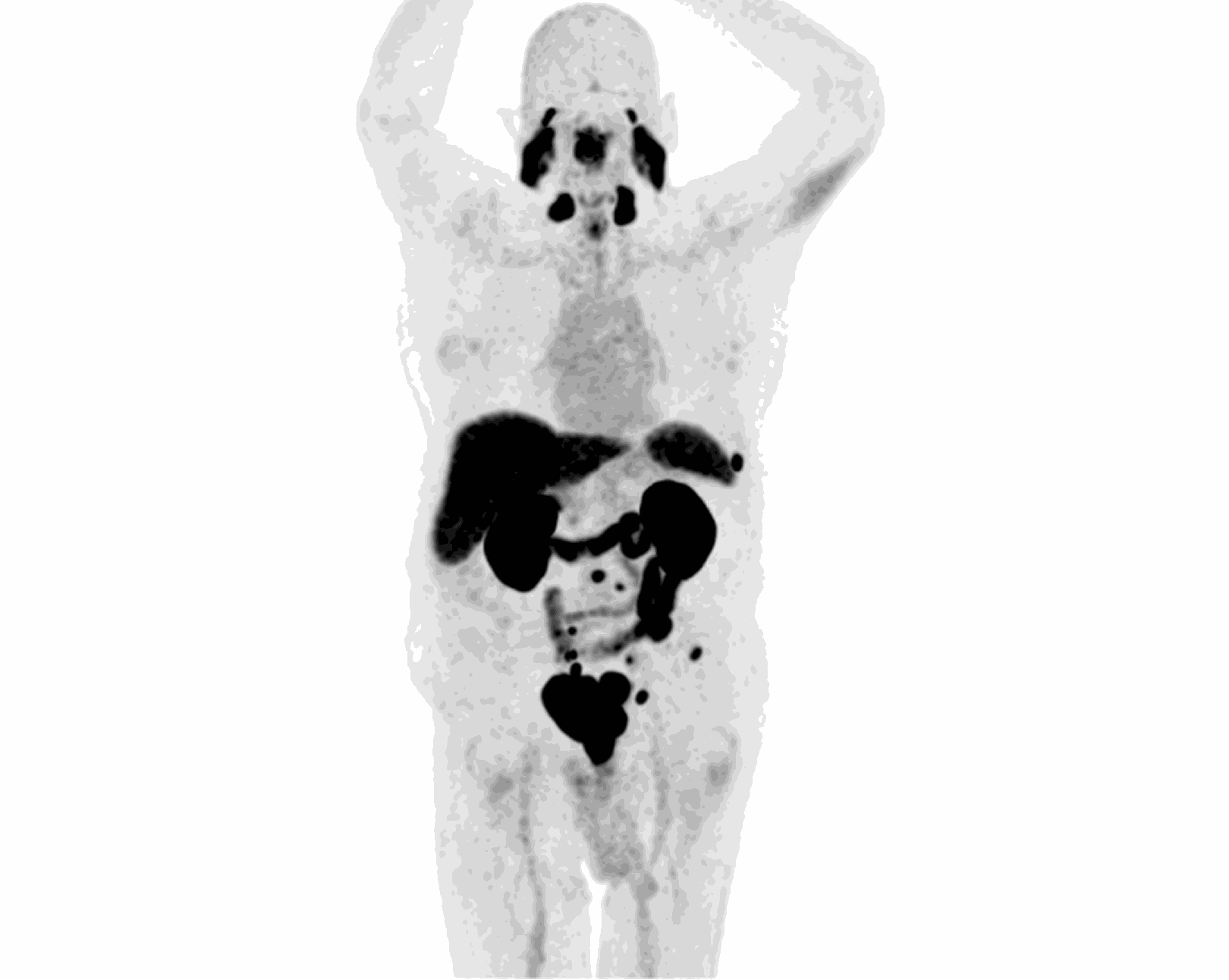
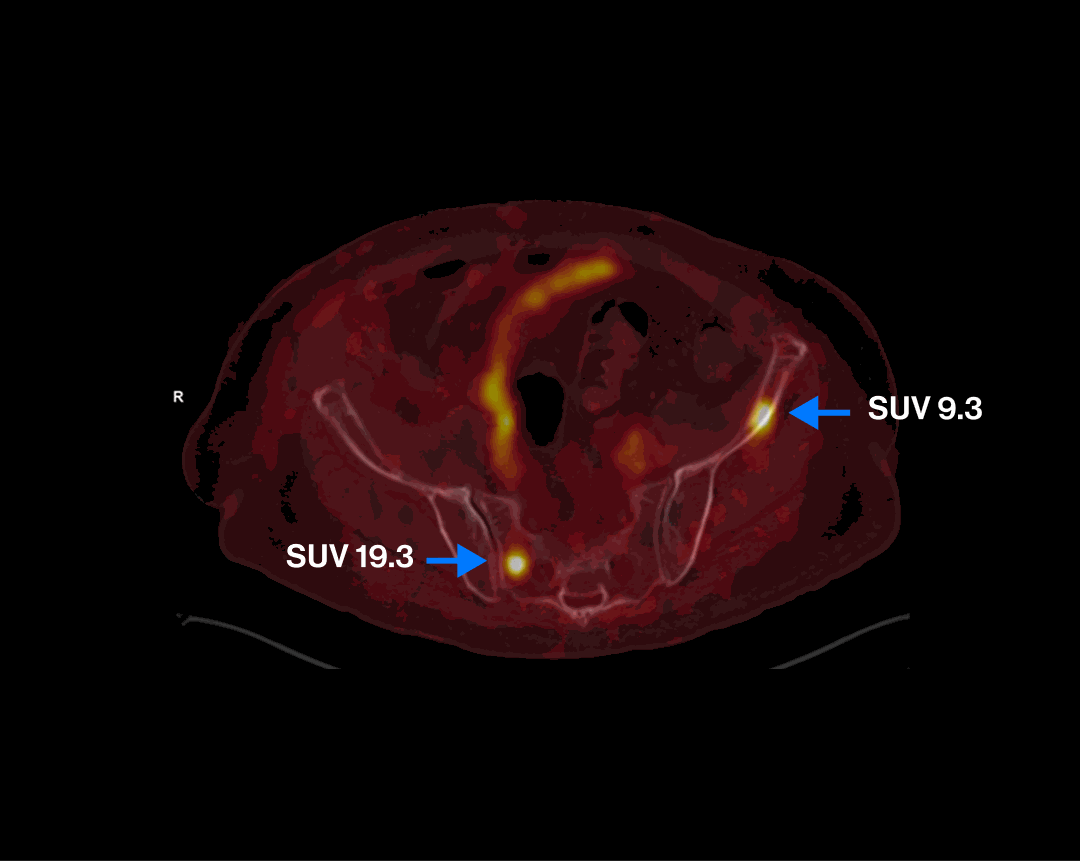
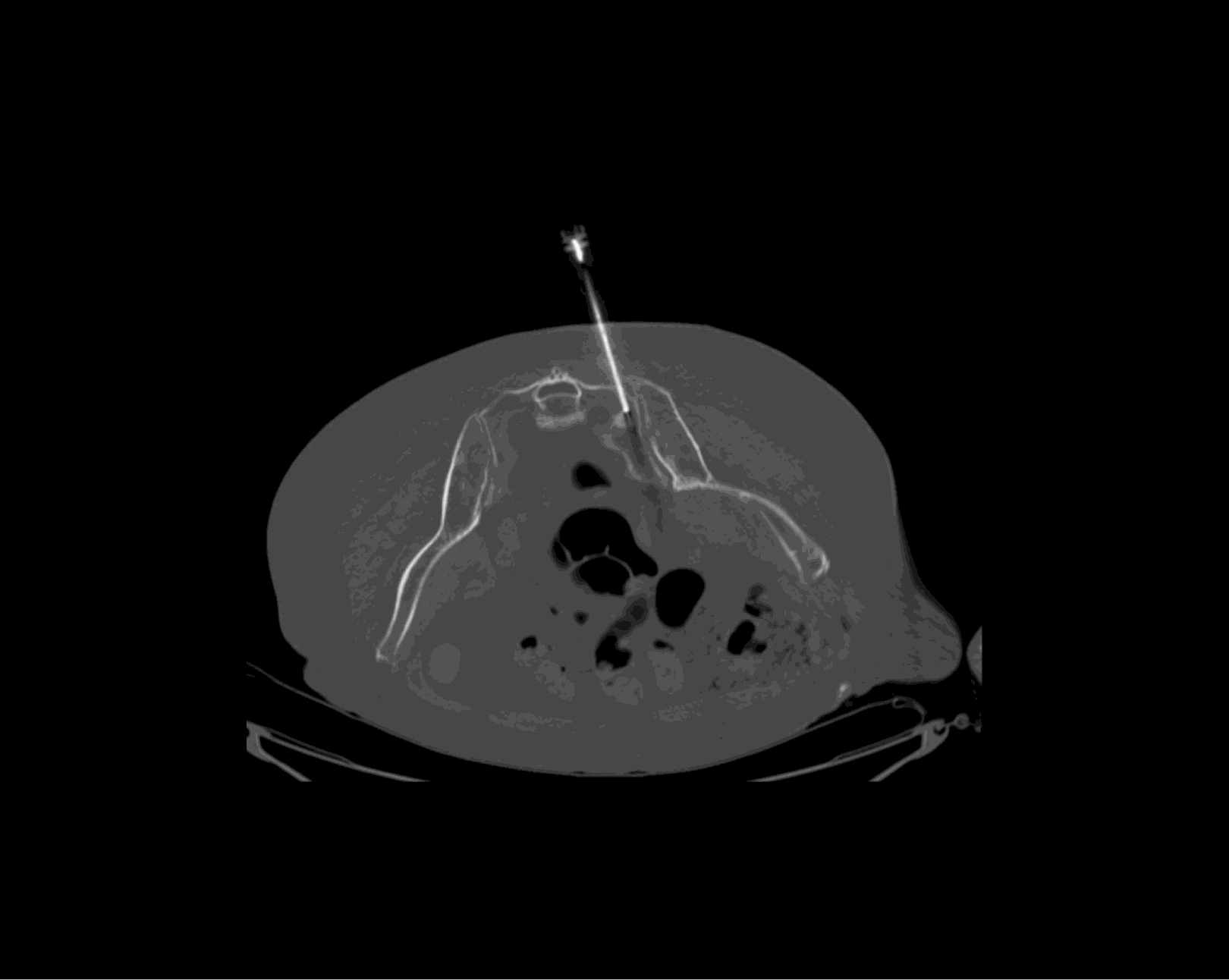
Findings: PET/CT revealed prostate primary (SUV 24) with pelvic nodal (SUV 19.3) and bone (SUV 9.3) metastases. CT-guided biopsy of right sacrum confirmed metastatic prostate cancer
Patient B
- 76 years old with unfavorable intermediate prostate cancer
- PSA: 6.5 ng/mL
- Gleason: 4+3=7
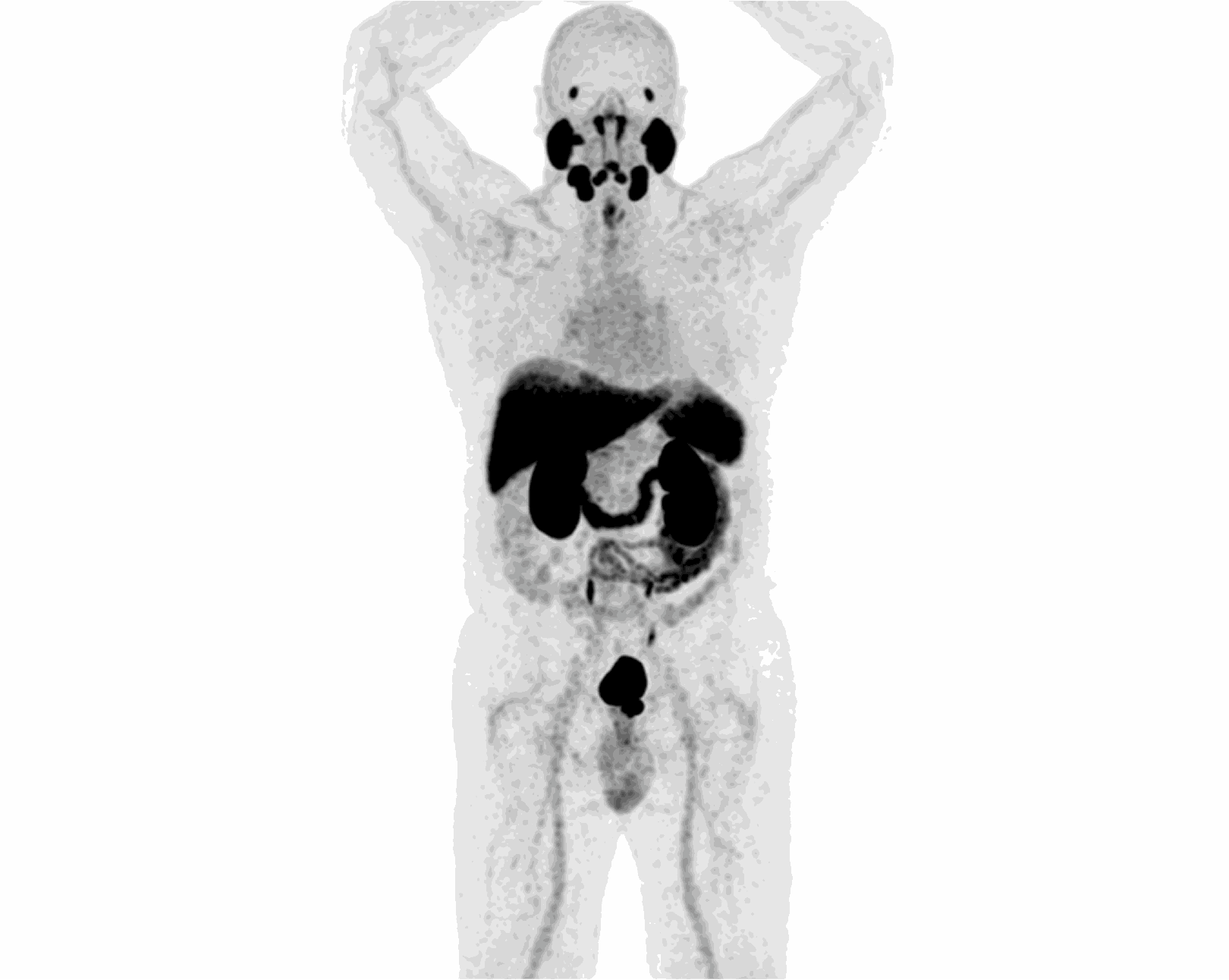
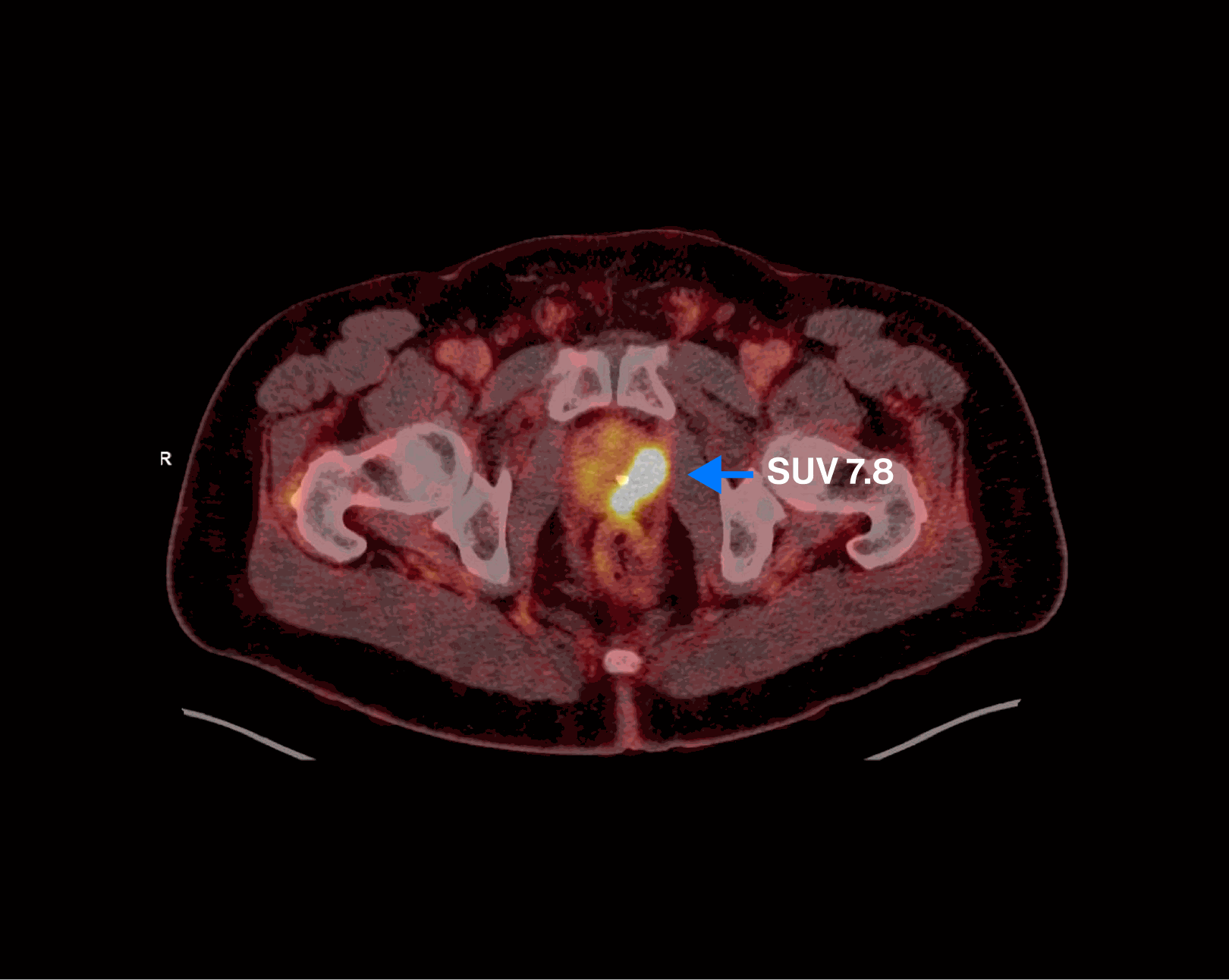
Findings: PET/CT revealed Right > Left prostate primary (SUV 7.8). There were no nodal or distant metastases found
The Standardized Uptake Value (SUV) in a PSMA PET scan measures the extent of tracer uptake in tissues. Importantly, uptake of PSMA PET agents as measured by SUV values is not correlated with the diagnostic performance of these agents; it is not a substitute for detection rate, sensitivity, or specificity. The SUV should not be interpreted as an independent indicator of clinical benefit or patient outcome and should not be used in isolation to guide clinical decision‑making.
Clinical Scenario 2
In 2 patients with similar clinical presentations, different extents of disease were revealed.
Patient A
- 80 years old with unfavorable intermediate prostate cancer
- PSA: 11.4 ng/mL
- Gleason: 4+3=7
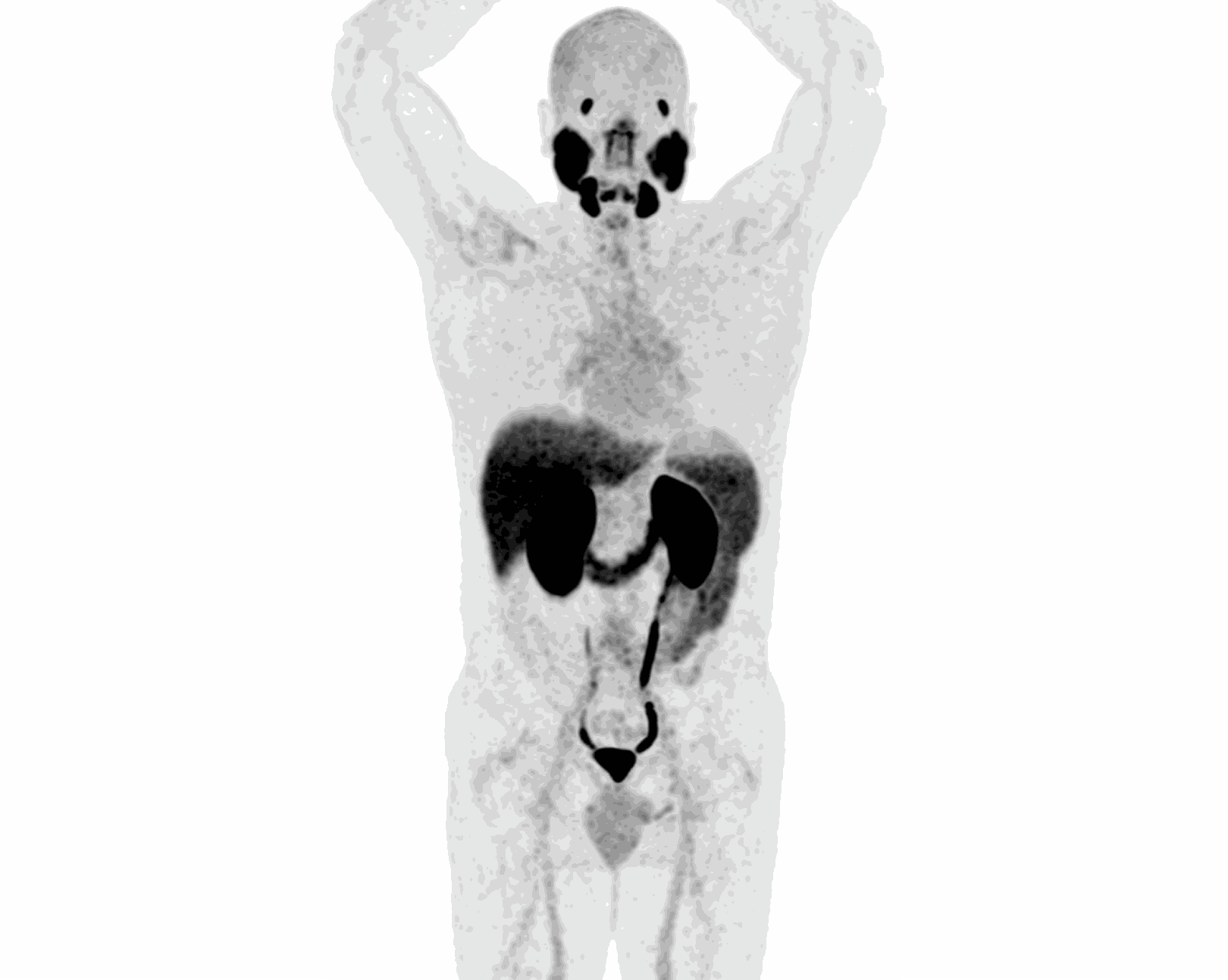
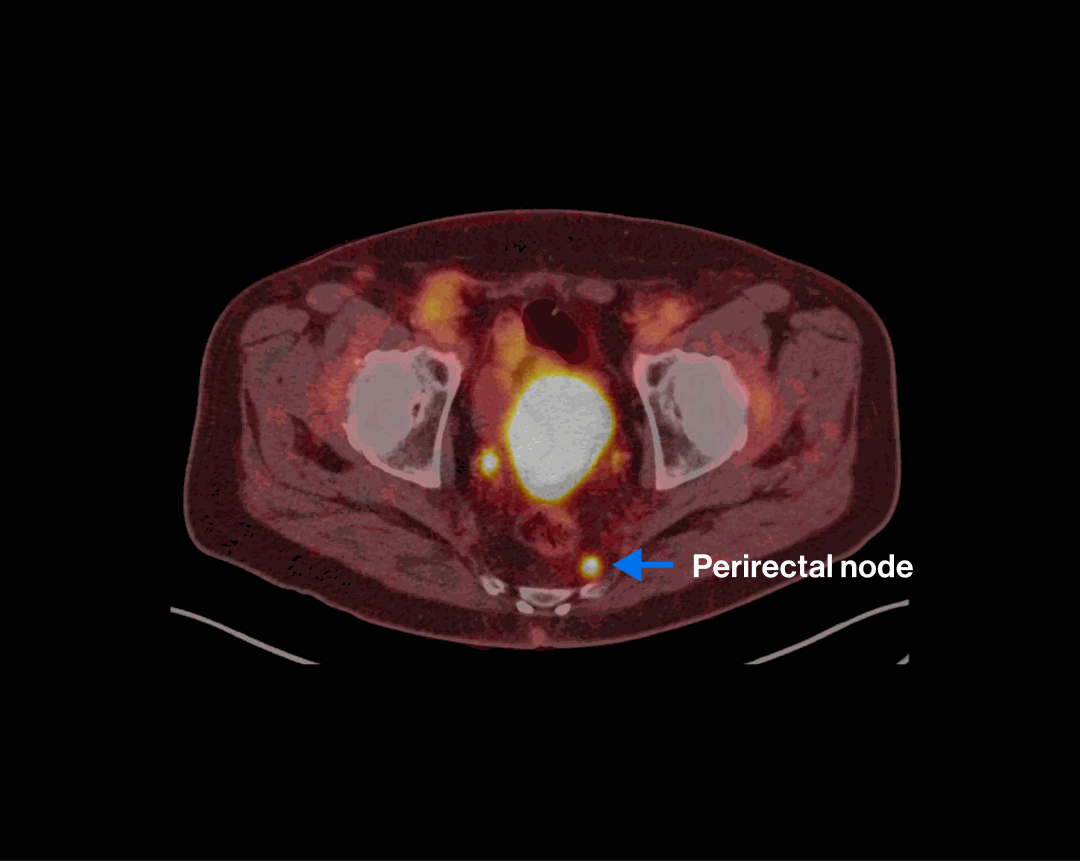
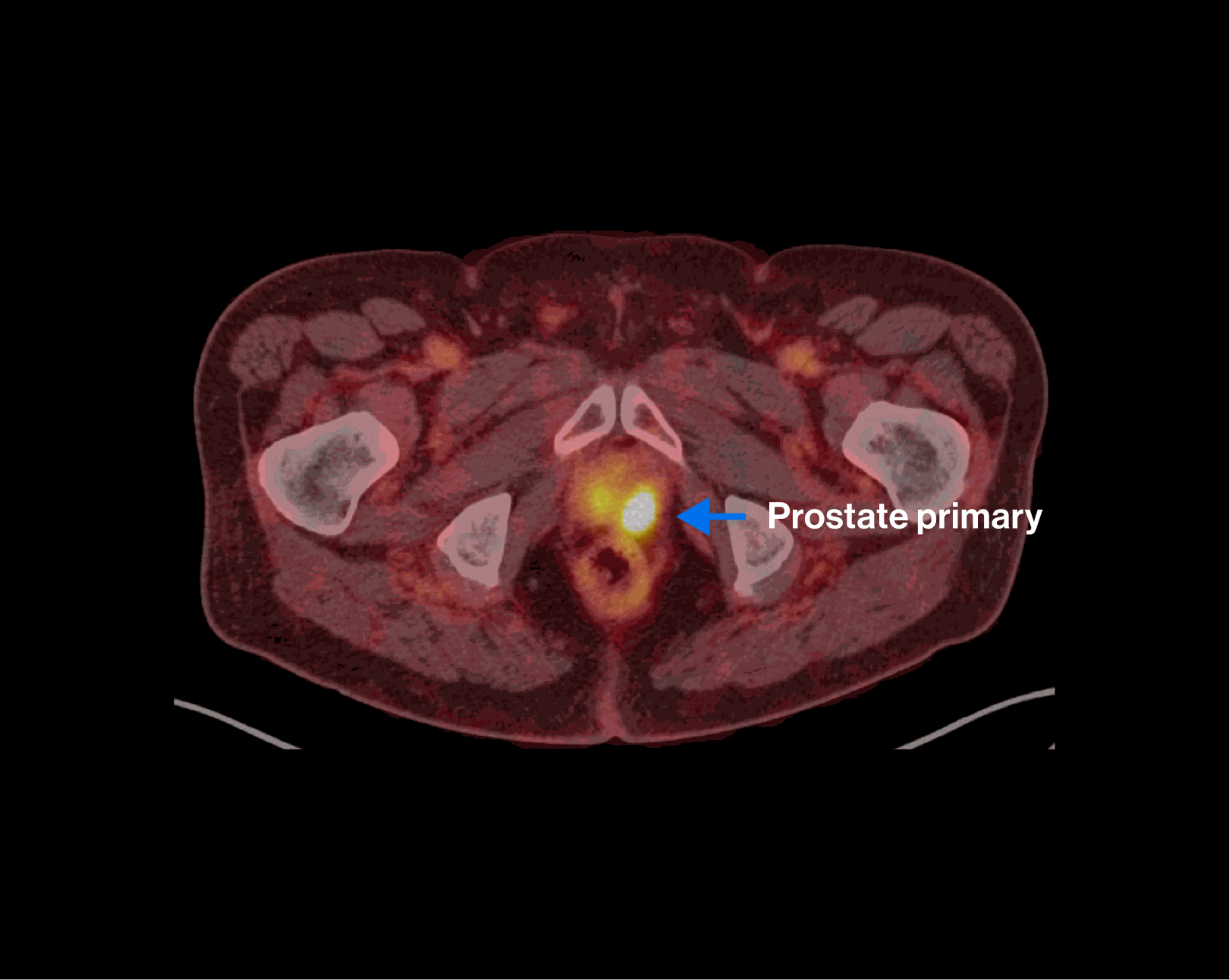
Findings: PET/CT detected left perirectal nodal metastasis
Patient B
- 76 years old with unfavorable intermediate prostate cancer
- PSA: 20 ng/mL
- Gleason: 4+3=7
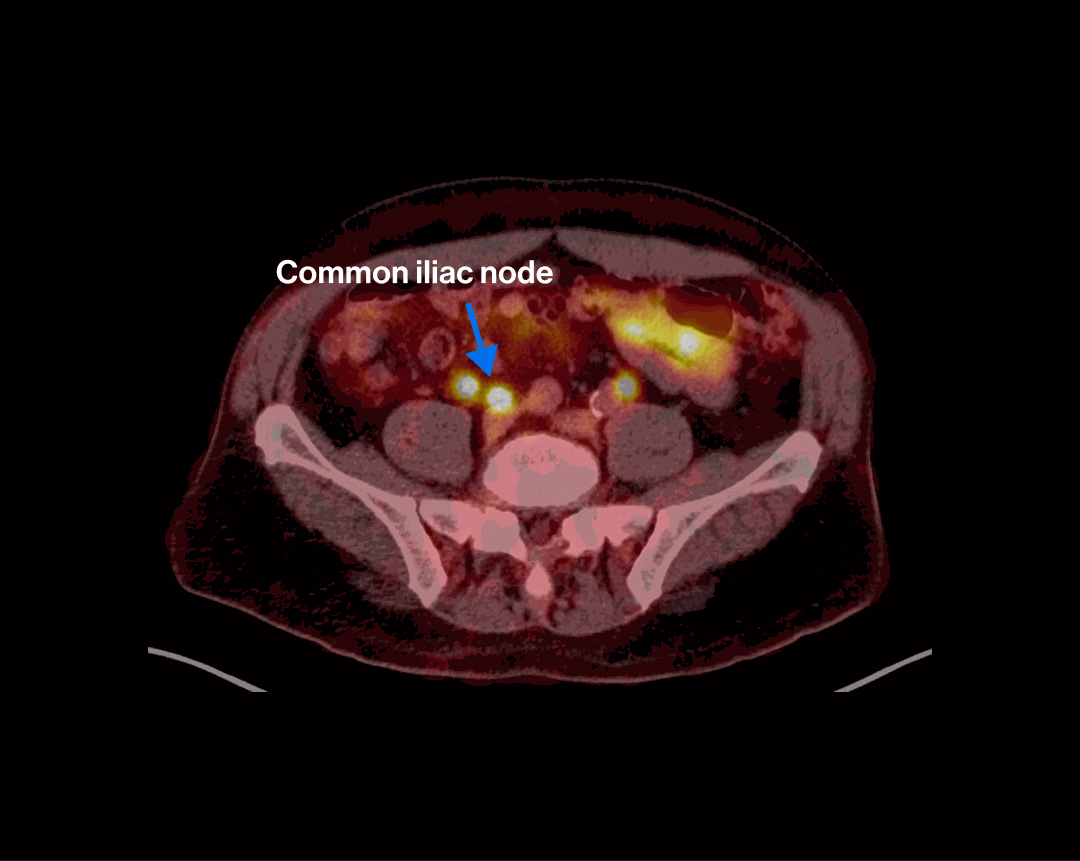
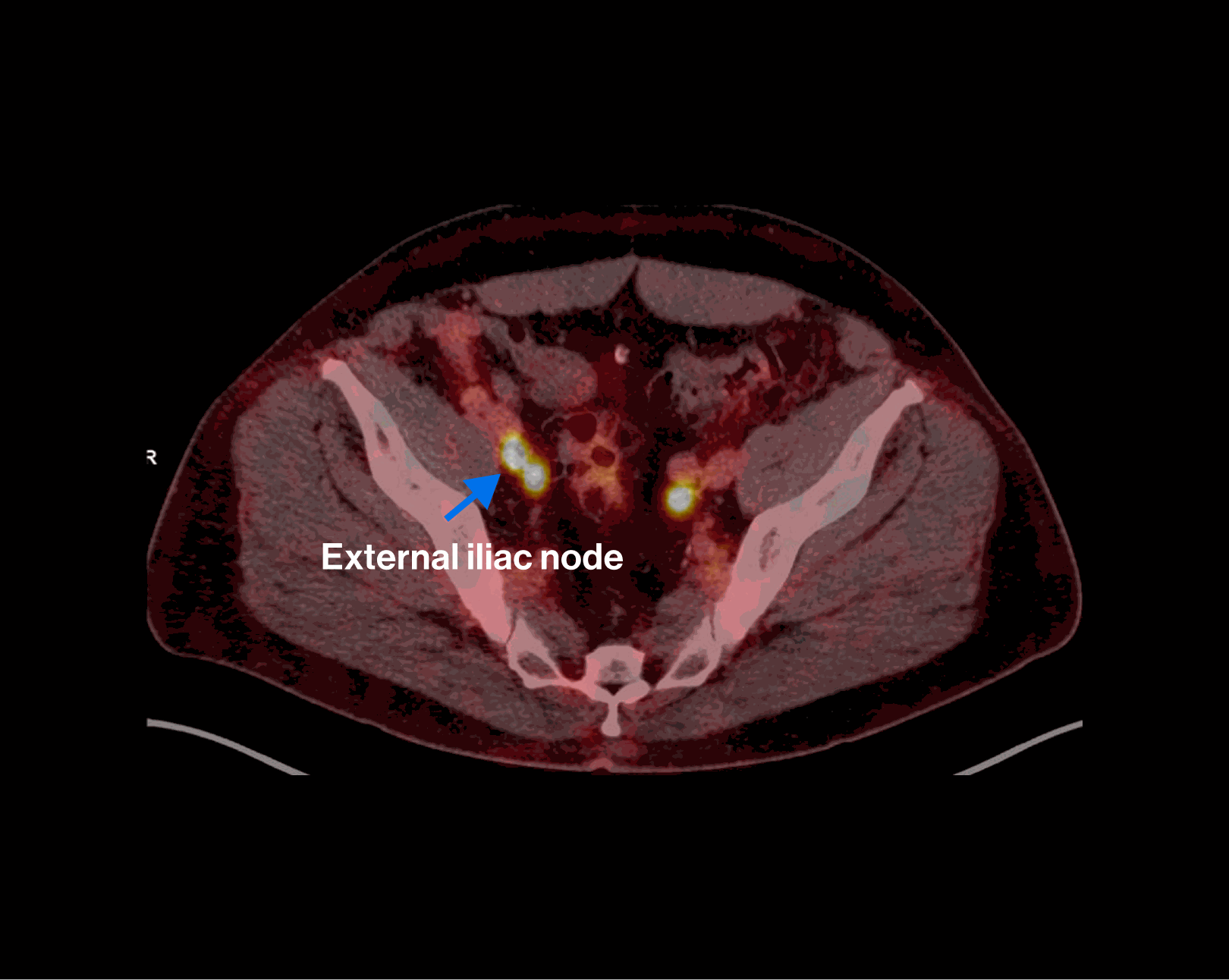
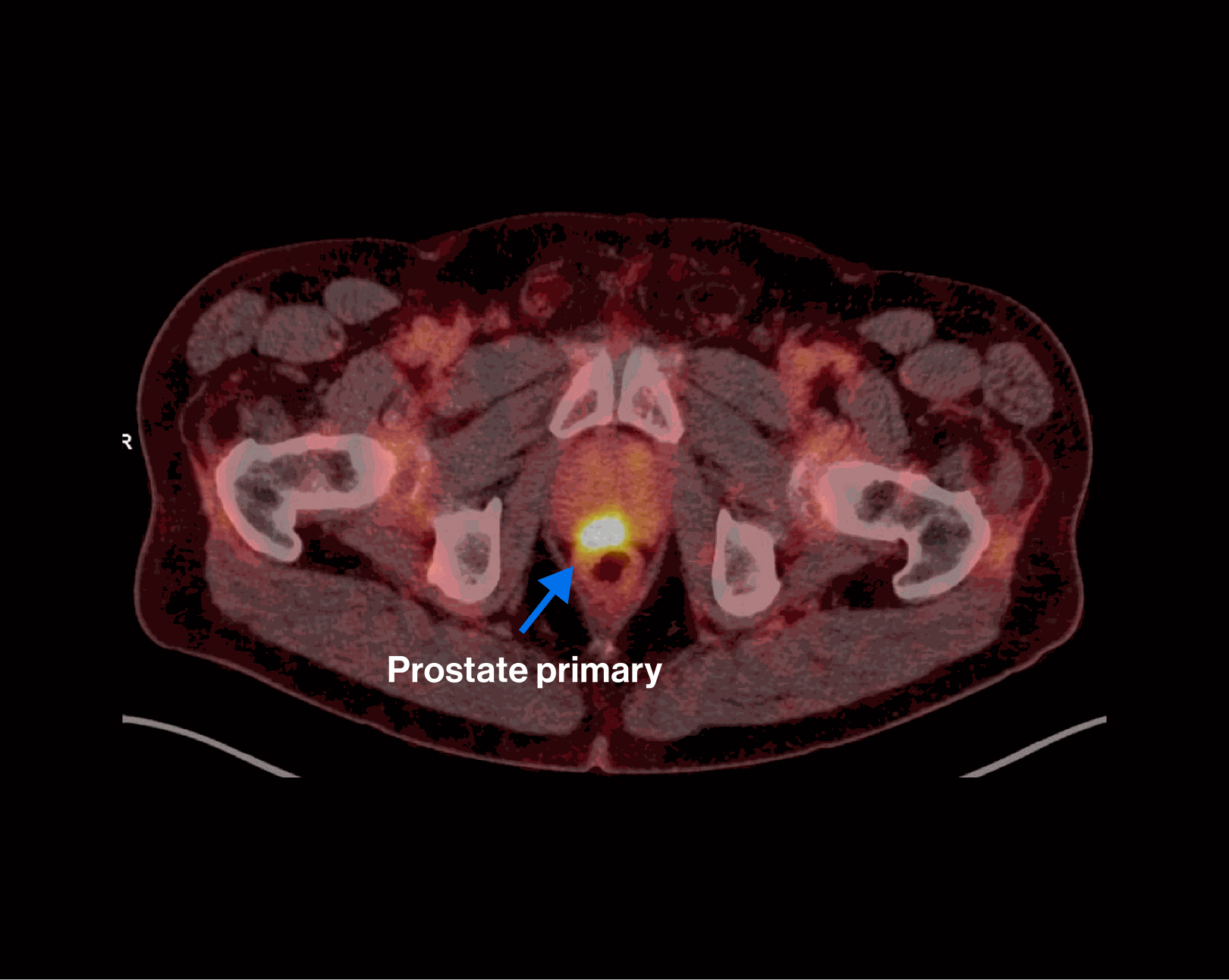
Findings: PET/CT revealed right prostate primary with right common iliac and right external iliac nodal metastases
cGy=centigray; CT=computed tomography; MIP=maximum intensity projection; PET=positron emission tomography; PSA=prostate-specific antigen; RP-PLND=radical prostatectomy and pelvic lymph node dissection; SUV=standardized uptake value; XRT=radiation therapy.
INDICATION
PYLARIFY TRUVU (piflufolastat F 18) Injection is indicated for positron emission tomography (PET) of prostate-specific membrane antigen (PSMA) positive lesions in men with prostate cancer:
- with suspected metastasis who are candidates for initial definitive therapy.
- with suspected recurrence based on elevated serum prostate-specific antigen (PSA) level.
IMPORTANT SAFETY INFORMATION
Warnings and Precautions
Risk of Image Misinterpretation
Imaging interpretation errors can occur with PYLARIFY TRUVU imaging. A negative image does not rule out the presence of prostate cancer and a positive image does not confirm the presence of prostate cancer. The performance of PYLARIFY TRUVU for imaging biochemical evidence of recurrence of prostate cancer seems to be affected by serum PSA levels. The performance of PYLARIFY TRUVU for imaging of metastatic pelvic lymph nodes prior to initial definitive therapy seems to be affected by risk factors such as Gleason score and tumor stage. PYLARIFY TRUVU uptake is not specific for prostate cancer and may occur with other types of cancer as well as non-malignant processes and in normal tissues. Clinical correlation, which may include histopathological evaluation, is recommended.
Hypersensitivity Reactions
Monitor patients for hypersensitivity reactions, particularly those with a history of allergy to other drugs and foods. Reactions may be delayed. Always have trained staff and resuscitation equipment available.
Radiation Risks
PYLARIFY TRUVU exposes patients to radiation. Radiation exposure is associated with a dose-dependent increased risk of cancer. Ensure safe handling and preparation procedures to protect patients and health care workers from unintentional radiation exposure. Advise patients to hydrate before and after administration and to void frequently after administration.
Adverse Reactions
The most frequently reported adverse reactions were headaches, dysgeusia and fatigue, occurring at rate of ≤2% during clinical studies. In addition, a delayed hypersensitivity reaction was reported in one patient (0.2%) with a history of allergic reactions.
Drug Interactions
Androgen deprivation therapy (ADT) and other therapies targeting the androgen pathway, such as androgen receptor antagonists, may result in changes in uptake of PYLARIFY TRUVU in prostate cancer. The effect of these therapies on performance of PYLARIFY TRUVU PET has not been established.